

- 03/06/2026
- Dr. A Murali
- Blogs
Why Do Infections Increase During Summer?
Many people think infections are more common only during the rainy season or winter. But in reality, summer infections are also very common and can affect both children and adults. The hot weather, increased sweating, dehydration, and contaminated food or water create the perfect environment for germs to grow and spread quickly.
According to Dr A. Murali, summer brings a rise in many viral infections, bacterial infections, and fungal infections because high temperatures and humidity weaken the body’s natural defence system. At Sun Speciality Clinic for Infectious Diseases, many patients visit with complaints like fever, sore throat, nasal congestion, headaches, muscle aches, nausea and vomiting, and loose stools during the summer months.
Dr A Murali is a renowned Infectious Disease Specialist in Coimbatore with over 20 years of medical experience and more than 10 years dedicated to treating infectious diseases. With proper awareness and early care, most summer diseases can be prevented and treated effectively.
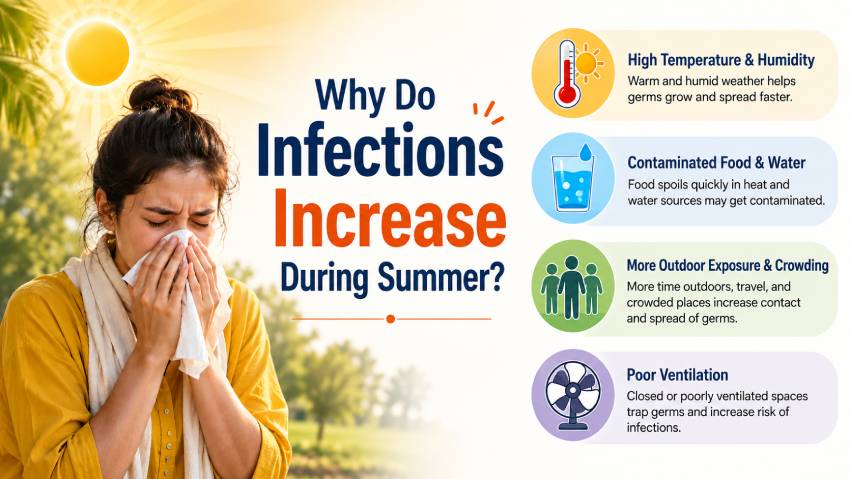
Why Do Infections Increase During Summer?
Summer creates favourable conditions for germs to multiply rapidly. Heat and humidity help bacteria and viruses survive for longer periods on food, water, and surfaces. Food spoils faster in hot weather, increasing the risk of food and waterborne diseases.
Another major reason is dehydration. When the body loses excess fluids through sweating, immunity may become weaker, making people more vulnerable to seasonal infections. During vacations and travel, people also eat outside food more frequently, which increases the chances of stomach infections and food poisoning.
Poor hygiene, unsafe drinking water, and mosquito breeding during hot weather further increase the risk of common summer infections.
How Heat and Humidity Help Germs Grow?
High temperatures support faster bacterial growth, especially in uncovered food and stored water. Humidity and sweating create moist conditions where fungal and bacterial skin infections can easily develop.
Viruses also spread more easily in crowded places during summer travel and gatherings. If proper hygiene is not maintained, infections can spread quickly from one person to another.
Heat and infection risk become higher when people ignore hydration, consume unhealthy food, or delay medical care.
Common Summer Infections:
Several summer diseases become common during hot weather. Some infections are mild, while others may become serious if not treated on time.
The most common summer infections include:
- Viral Fever: Causes fever, body pain, weakness, and flu-like symptoms during summer.
- Gastrointestinal Infections: Affect the stomach and intestines, causing vomiting and loose stools.
- Typhoid Fever: A bacterial infection spread through contaminated food and water.
- Dengue Fever: A mosquito-borne infection that causes high fever and severe body pain.
- Urinary Tract Infection (UTI): A urinary infection is commonly linked to dehydration and low water intake.
- Summer Skin Infections: Skin problems caused by sweating, heat, and poor hygiene.
- Food Poisoning: An infection caused by consuming contaminated or spoiled food.
- Fungal Infections: Infections that grow easily in warm, sweaty, and moist areas of the body.
These infections may cause symptoms such as fever, sore throat, headaches, nasal congestion, muscle aches, vomiting, weakness, and loose stools.
Gastrointestinal Infections During Summer:
Gastrointestinal infections are among the most common problems seen during summer. Eating contaminated food or drinking unsafe water can lead to stomach infection treatment requirements.
Symptoms may include:
- Repeated loose stools can quickly cause weakness and dehydration.
- Nausea and vomiting may occur after consuming contaminated food or water.
- Stomach pain and cramps are common signs of gastrointestinal infections.
- Fever may develop due to bacterial or viral infections.
- Dehydration symptoms like dry mouth and dizziness should not be ignored.
Early diagnosis and proper hydration are very important to avoid complications.
Fever Caused by Viral Infections During Summer:
Summer viral fever is very common during hot weather. Viral infections can spread through close contact, contaminated surfaces, or poor hygiene.
Common symptoms include:
- Fever
- Sore throat
- Nasal congestion
- Headaches
- Body pain and muscle aches
- Weakness and tiredness
Some people also call it summer flu because the symptoms are similar to flu-like illnesses. While many cases improve with rest and hydration, persistent fever should never be ignored.
Patients looking for Viral Fever Treatment in Coimbatore should seek timely medical care to identify the exact cause of infection.
Skin Infections Caused by Sweating in Summer:
Excess sweating during summer creates a moist environment on the skin, which promotes bacterial and fungal growth. Summer skin infections are especially common in people who spend long hours outdoors.
Common problems include:
- Fungal rashes develop due to excess sweat and moisture during summer.
- Itching is common because of sweat and fungal skin infections.
- Redness may indicate skin irritation or infection.
- Skin irritation occurs due to heat, sweat, and friction.
- Heat boils can appear when sweat glands become blocked.
Wearing tight clothing, poor hygiene, and continuous sweating can worsen the condition. Keeping the skin dry and clean helps reduce infection risk.
Signs and Symptoms of Summer Infections You Should Not Ignore:
Some infection symptoms to watch for include:
- Fever lasting more than two days
- Repeated vomiting
- Loose stools
- Severe weakness
- Dehydration symptoms
- Skin rashes
- Difficulty eating or drinking
- Burning urination
Ignoring these symptoms may lead to complications, especially in children, elderly individuals, and people with low immunity.
Who Is More Vulnerable to Summer Infections?
Certain groups of people are more vulnerable to developing summer infections because their immunity may be weaker or they are more exposed to heat and contaminated environments.
The following groups are at higher risk:
- Children – More prone to dehydration and infections.
- Older Adults – May recover slowly and dehydrate easily.
- People with Diabetes – Higher risk of developing infections.
- Individuals with Weakened Immunity – Less able to fight infections effectively.
- Outdoor Workers – Greater exposure to heat, contaminated food, and water.
- Travellers – Increased risk due to changes in food, water, and climate.
How to Prevent Summer Infections by Dr A. Murali?
Simple precautions can help prevent most seasonal infections during summer.
Important infection prevention tips include:
- Drink clean and safe water.
- Eat freshly cooked food.
- Avoid uncovered street food.
- Wash your hands regularly.
- Maintain proper summer hygiene tips.
- Stay hydrated throughout the day.
- Wear loose cotton clothes.
- Prevent mosquito breeding near your home.
The importance of hydration cannot be ignored because adequate water intake supports immunity and protects the body from heat-related illness.
When Should You Consult a Doctor?
If you have persistent fever, repeated vomiting, loose stools, dehydration symptoms, breathing difficulty, or continuous weakness, it is important to consult a doctor without delay.
Early diagnosis helps identify viral, bacterial, or fungal infections and prevents complications. Looking for expert care for summer infections in Coimbatore? Dr. A. Murali, Infectious Disease Specialist at Sun Speciality Clinic for Infectious Diseases, provides comprehensive treatment for viral fever, typhoid, dengue, food poisoning, UTIs, and other infectious diseases. Call 099447 27778 to schedule your consultation today.
Conclusion:
Summer may seem like a healthy and active season, but it also increases the risk of many infections. Hot weather infections, dehydration, contaminated food, and poor hygiene all contribute to the spread of summer diseases.
Awareness, hygiene, safe food habits, and timely medical care can help prevent serious complications. If you or your family experience persistent fever, stomach infections, or other seasonal infection symptoms, consulting an experienced Infectious Disease Specialist in Coimbatore is important.
Dr A Murali at Sun Speciality Clinic for Infectious Diseases provides expert care for viral infections, gastrointestinal infections, dengue, typhoid, and other infectious diseases with a patient-focused approach.
Frequently Asked Questions (FAQ’s):
Hot weather, dehydration, contaminated food, and increased exposure to bacteria and viruses can weaken immunity and increase the risk of summer infections. Maintaining hydration, hygiene, and healthy food habits can help reduce infection risk.
Common signs include fever, tiredness, headaches, sore throat, body pain, loose stools, vomiting, skin rashes, and weakness. If symptoms continue for several days, consulting Dr A. Murali is important for proper diagnosis and treatment.
Common summer infections include viral fever, gastrointestinal infections, food poisoning, dengue, typhoid, urinary tract infections, and summer skin infections. Sun Speciality Clinic for Infectious Diseases provides treatment for various seasonal and infectious diseases.
UTIs become more common during summer because excessive sweating and low water intake can lead to dehydration, which increases the risk of urinary infections. Drinking enough water and maintaining hygiene can help prevent UTIs.