

- 07/08/2026
- Dr. A Murali
- Blogs
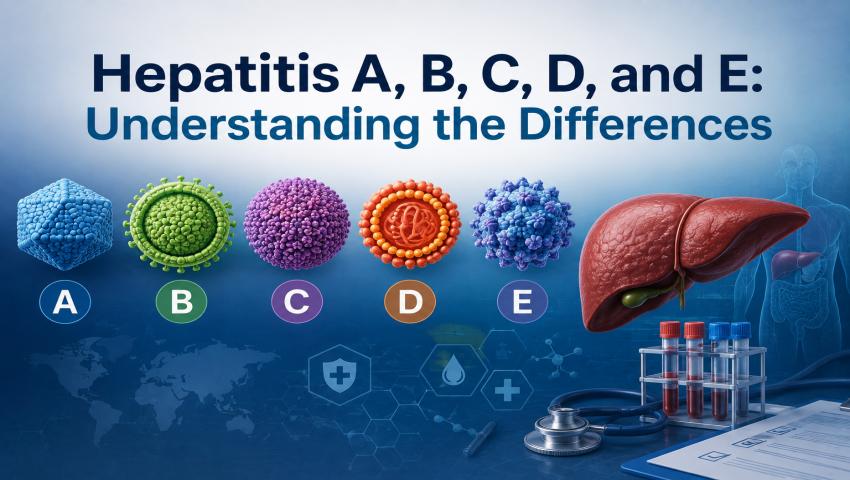
Hepatitis A, B, C, D, and E: Understanding the Differences
That constant tiredness you’ve been ignoring, or the mild fever you brushed off as seasonal, could it actually be your liver quietly struggling? This is what makes viral hepatitis tricky. Hepatitis Treatment in Coimbatore is something more people are searching for than ever — and for good reason. All five types affect the liver, but they differ in how they spread, the symptoms they cause, and how serious the long-term damage can be. Some clear up in weeks. Others silently harm the liver for years before showing a single sign.
Dr. A. Murali, a renowned Infectious Disease Specialist in Coimbatore with over 20 years of overall medical experience and more than 10 years dedicated to infectious disease treatment, provides expert diagnosis and treatment for all types of hepatitis at Sun Speciality Clinic.
Here’s a simple breakdown of Hepatitis A, B, C, D, and E — how they differ, who’s at risk, and when to see a doctor.
What Is Hepatitis?
Hepatitis means inflammation of the liver — the organ that digests food, stores nutrients, removes toxins, and supports immunity. It can be caused by alcohol, medicines, autoimmune conditions, or infections. Viral hepatitis is the most common cause worldwide.
The Five Types of Viral Hepatitis at a Glance:
- Hepatitis A & E — spread through contaminated food/water, usually short-term, resolve on their own
- Hepatitis B, C & D — spread through blood/body fluids, can become chronic and silently damage the liver for years
Hepatitis A:
Hepatitis A is caused by the Hepatitis A virus (HAV) and is common in areas with limited sanitation. Unlike Hepatitis B and C, it doesn’t usually become chronic — most people recover completely within a few weeks to months, with no lasting liver damage.
- Spreads through: Contaminated water/food (faecal-oral route), poor hand hygiene, close contact with an infected person, travel to high-risk regions
- Symptoms: (appear 2–7 weeks after infection): Fever, extreme fatigue, loss of appetite, nausea and vomiting, upper right abdominal pain, dark urine, pale stools, jaundice. Some children show very mild symptoms or none at all.
- Risk group: Travellers, people with poor sanitation access, food handlers, household members of an infected person
- Diagnosis: Physical examination, medical history, blood tests for Hepatitis A antibodies, and liver function tests
- Treatment: No specific antiviral — treatment focuses on rest, fluids, nutritious food, and avoiding alcohol or unnecessary medications. Most recover fully within a few months.
- Prevention: Vaccination, clean drinking water, hand hygiene, properly cooked food, caution while travelling
Hepatitis B:
Hepatitis B is caused by the Hepatitis B virus (HBV) and, unlike Hepatitis A, can become a long-term chronic infection in some people. The good news — it’s preventable through vaccination, and timely care can control the infection effectively.
- Spreads through: Unprotected sexual contact, sharing needles or syringes, mother-to-child transmission during childbirth, unscreened blood or blood products, accidental needle-stick injuries, sharing infected razors or toothbrushes. It does not spread through casual contact, hugging, or sharing food.
- Symptoms: Often none in early stages; when present — fever, fatigue, loss of appetite, joint pain, abdominal discomfort, dark urine, pale stools, jaundice. Some people stay symptom-free for years while the virus continues damaging the liver.
- Why it’s serious: Untreated, chronic Hepatitis B can lead to cirrhosis, liver failure, or liver cancer. Early diagnosis through blood tests significantly reduces this risk.
- Treatment: Acute cases usually resolve with supportive care. Chronic cases require regular liver monitoring, antiviral medication, periodic viral load testing, and lifestyle adjustments.
- Prevention: Vaccination (most effective), practising safe sex, avoiding shared needles or grooming items, ensuring blood products are screened, following infection control in healthcare settings
Hepatitis C:
Hepatitis C is caused by the Hepatitis C virus (HCV) and is one of the leading causes of chronic liver disease worldwide. Its biggest challenge — many people show no symptoms for years, so significant liver damage can occur before it’s ever detected.
- Spreads through: Blood-to-blood contact — shared needles or syringes, unscreened blood in the past, unsafe medical procedures, needle-stick injuries, unsterilised tattoo or piercing equipment. Sexual transmission is possible but far less common than with Hepatitis B.
- Symptoms: Often none for years. When present: persistent tiredness, poor appetite, nausea, mild abdominal pain, dark urine, jaundice, unexplained weight loss.
- Why early detection matters: Left untreated, it can progress to chronic hepatitis, liver fibrosis, cirrhosis, liver failure, or liver cancer — making screening essential for anyone with known risk factors.
- Treatment: Modern direct-acting antiviral (DAA) medicines, along with regular blood tests and liver monitoring, can cure most cases when caught early. No vaccine currently exists for Hepatitis C, which makes early diagnosis even more important.
Hepatitis D:
Hepatitis D, caused by the Hepatitis D virus (HDV), is one of the rarest yet most serious types of hepatitis. What makes it unique — it cannot infect a person on its own; it needs the presence of Hepatitis B to survive and multiply. Only people who already have Hepatitis B can develop Hepatitis D.
- Spreads through: Same routes as Hepatitis B — contact with infected blood, sharing needles, unprotected sexual contact, and (less commonly) mother-to-child transmission. People with chronic Hepatitis B face a higher risk if exposed.
- Symptoms: Similar to other hepatitis types — fatigue, fever, loss of appetite, nausea, abdominal pain, dark urine, jaundice. A combined B+D infection often causes more severe liver disease than Hepatitis B alone.
- Prevention: The Hepatitis B vaccine also protects against Hepatitis D, along with safe injection practices, safe sex, and avoiding exposure to infected blood.
Hepatitis E:
Hepatitis E is caused by the Hepatitis E virus (HEV) and spreads commonly through contaminated water, especially in regions with poor sanitation and inadequate sewage systems. Most people recover completely, but it can be dangerous for pregnant women and those with weakened immunity.
- Spreads through: Drinking contaminated water, eating food prepared with contaminated water, poor sanitation, inadequate personal hygiene. Outbreaks often follow floods or disruptions to clean water supply.
- Symptoms: Fever, fatigue, nausea, vomiting, loss of appetite, abdominal pain, dark urine, jaundice — most healthy adults recover within a few weeks.
- High-risk group: Pregnant women (especially in the third trimester), people living in areas with poor sanitation, travellers to endemic regions, individuals with weakened immune systems
- Prevention: Clean drinking water, regular hand washing, well-cooked food, avoiding raw or undercooked meat, maintaining proper sanitation
Key Differences at a Glance:
When Should You See a Doctor?
Consult a doctor if you notice: jaundice, dark urine, pale stools, persistent nausea/vomiting, severe fatigue, upper right abdominal pain, unexplained loss of appetite, or if you’ve been exposed to infected blood or an infected person. Early diagnosis of viral hepatitis prevents complications and stops further spread.
Hepatitis Treatment in Coimbatore:
Dr. A. Murali at Sun Speciality Clinic offers accurate diagnosis, personalised treatment plans, long-term monitoring for chronic Hepatitis B and C, vaccination, and preventive counselling — helping patients protect their liver before complications develop.
Conclusion:
Hepatitis isn’t one disease — it’s five different viral infections, each behaving differently. A and E are usually short-term; B, C, and D can turn chronic and cause serious liver damage if ignored. Vaccination, hygiene, and timely check-ups remain your best protection. If you notice jaundice, fatigue, or dark urine, don’t delay — consult an infectious disease specialist early.
If you’re looking for trusted Hepatitis Treatment in Coimbatore, Dr. A. Murali at Sun Speciality Clinic brings over 20 years of overall medical experience and more than 10 years of dedicated expertise in infectious disease treatment. From accurate diagnosis to personalised treatment plans and long-term care for chronic Hepatitis B and C, Dr. Murali ensures every patient gets timely, expert care to protect their liver health. Book a consultation today and take the first step toward a healthier liver.