

- 10/02/2025
- Dr. A Murali
- Blogs
What is GBS or Guillain-Barre Syndrome, is a rare neurological disease?
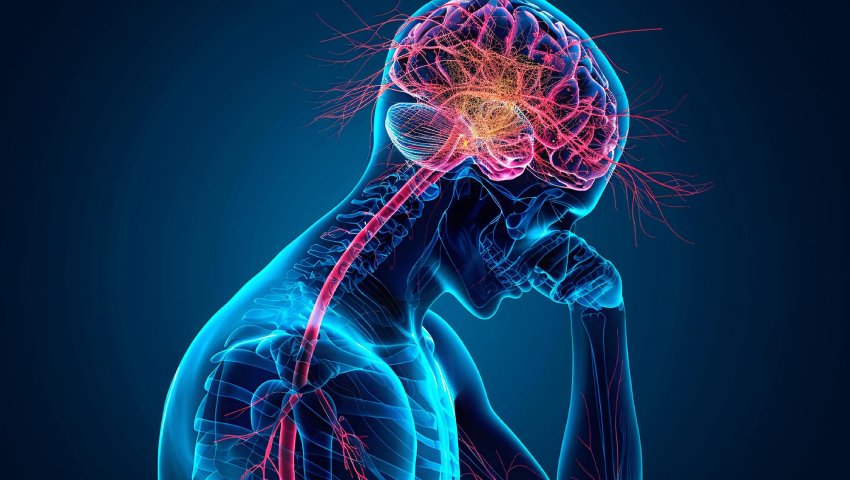
GBS, or Guillain-Barré Syndrome, is a rare neurological disorder where the body’s immune system mistakenly attacks the peripheral nervous system. This condition can lead to muscle weakness, tingling sensations, and even paralysis in severe cases. GBS can develop after infections, including viral and bacterial illnesses.
How is GBS Related to Infections?
Many cases of GBS occur after an infection, such as a gastrointestinal disease or lung infection. The development of GBS has been connected to a number of bacterial and viral illnesses, including dengue, influenza, and even COVID-19. The immune system, while fighting off these infections, may mistakenly attack the nerves, leading to inflammation and nerve damage. Dr. A Murali, a leading Infectious Disease Specialist in Coimbatore, emphasizes the importance of early detection and treatment to manage symptoms effectively.
Symptoms of GBS:
The symptoms of GBS typically appear within a few days to weeks after an infection. They may include:
- Tingling or numbness in the hands and feet
- Muscle weakness that spreads over time
- Difficulty in walking or balancing
- Severe pain, especially at night
- Difficulty breathing in extreme cases
If you experience any of these symptoms, seek medical attention immediately. Dr. A Murali, known for Fever Treatment in Coimbatore, provides expert care and diagnosis for infectious diseases and associated complications like GBS.
How is GBS Diagnosed?
GBS is diagnosed through a combination of:
- Medical history analysis to check for recent infections
- Neurological examination to evaluate muscle strength and reflexes
- Electromyography (EMG) and Nerve Conduction Studies (NCS) to evaluate nerve function
- A spinal tap (Lumbar puncture) is used to find protein abnormalities in cerebrospinal fluid
Treatment Options for GBS:
There is no permanent cure for GBS, but early treatment can help manage symptoms and speed up recovery. Common treatment options include:
- Plasma exchange (Plasmapheresis): Helps remove harmful antibodies from the blood, reducing nerve damage.
- Intravenous Immunoglobulin (IVIG): Provides healthy antibodies to regulate the immune response and minimize inflammation.
- Physical therapy: Helps in muscle strength recovery, prevents complications like joint stiffness, and improves mobility.
- Respiratory support: Needed in severe cases where breathing is affected due to muscle weakness.
- Pain management: Medications are prescribed to relieve nerve pain and discomfort associated with GBS.
Most patients recover with time, but early intervention plays a crucial role in determining the speed and extent of recovery.
Can GBS Be Prevented?
Since infections can trigger GBS, prevention of infections is key. Dr. A Murali advises on the following preventive measures:
- Vaccination against flu and other infectious diseases
- Proper hygiene to avoid bacterial and viral infections
Early treatment of infections to reduce complications
Why Choose Dr. A Murali for GBS-Related Infections?
Dr. A Murali, a well-known Infectious disease specialist in Coimbatore, has vast experience in diagnosing and managing infections that may lead to GBS. His expertise in infectious diseases ensures accurate and timely diagnosis, which is critical for conditions like GBS that require immediate medical attention.
With advanced diagnostic tools and personalized treatment plans, Dr. A Murali focuses on reducing the impact of infections that trigger GBS. His comprehensive approach to treating infectious diseases involves early intervention, tailored medication strategies, and continuous patient monitoring to ensure the best possible outcome. His expertise in Fever Treatment in Coimbatore further ensures that underlying infections are managed effectively to prevent severe complications.