

- 28/01/2026
- Dr. A Murali
- Blogs
What Happens If You Skip Medicines in Chronic Infections?
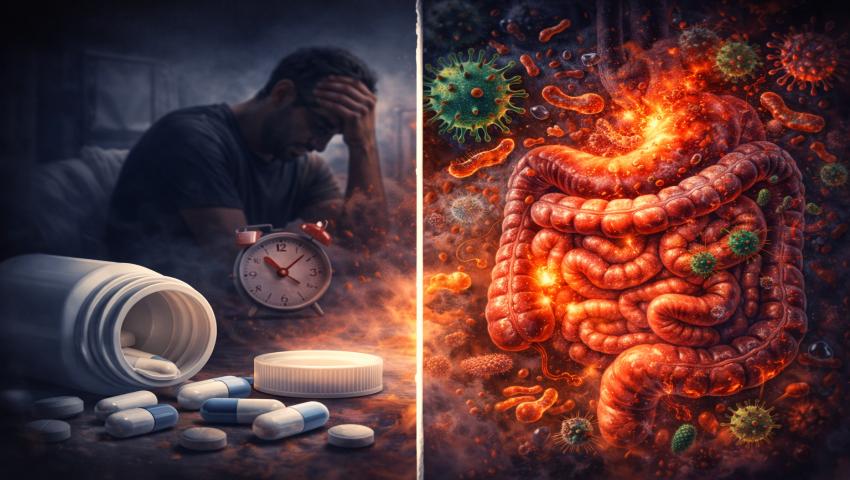
Chronic infections need long-term and regular treatment. Conditions like HIV, tuberculosis (TB), hepatitis B, certain bone and joint infections, and recurrent urinary infections do not get cured with a few days of medicines. They require strict adherence to treatment plans prescribed by a specialist. Unfortunately, many patients skip doses or stop medicines once they start feeling better. This can lead to serious health problems.
In this blog, we explain in simple Indian English what really happens when medicines are skipped in chronic infections and why regular treatment is so important.
Understanding Chronic Infections:
A chronic infection is an infection that stays in the body for a long time and may worsen if not treated properly. These infections may remain silent for months or years, but continue damaging the immune system or organs internally.
Examples of chronic infections include:
- HIV
- Tuberculosis
- Hepatitis B and C
- Chronic bone and joint infections
- Recurrent or complicated UTIs
Treatment for these conditions is carefully planned and should be followed exactly as advised.
Why Do People Skip Medicines?
Many patients skip medicines due to common reasons such as:
- Feeling better and assuming treatment is no longer needed
- Fear of side effects
- Forgetting doses
- Lack of awareness about long-term effects
- Social stigma or emotional stress
While these reasons are understandable, skipping medicines can be dangerous.
What Happens When You Skip Medicines?
Skipping medicines does not just slow recovery. It can completely change the course of the infection.
1. Infection Becomes Stronger:
When medicines are taken irregularly, the infection-causing germs are not fully killed. Instead, they become stronger and more difficult to control. This allows the infection to multiply and spread further in the body.
For example, in TB or HIV, skipping medicines allows the bacteria or virus to increase rapidly.
2. Drug Resistance Develops:
One of the most serious consequences of skipping medicines is drug resistance. This means the infection stops responding to standard medicines.
Drug-resistant infections:
- Are harder to treat
- Need stronger and costlier medicines
- Require longer treatment duration
- Increase the risk of complications
This is a major concern in TB and HIV treatment.
3. Symptoms Can Return or Worsen:
Many patients stop medicines when symptoms reduce. However, symptoms often return more severely after stopping treatment.
You may experience:
- Persistent fever
- Severe weakness
- Weight loss
- Recurrent infections
- Organ-related complications
What looked like recovery can turn into a serious relapse.
4. Immune System Gets Weaker:
Chronic infections slowly weaken the immune system. Medicines help control this damage. Skipping treatment allows the infection to attack immunity again.
A weak immune system increases the risk of:
- Opportunistic infections
- Slow healing
- Frequent hospital visits
This is especially dangerous for elderly patients and people with diabetes.
5. Higher Risk of Spreading Infection:
Infections like TB and HIV can spread to others if not properly controlled. Skipping medicines increases the chances of transmitting the infection to family members or close contacts. Regular treatment not only protects the patient but also safeguards the community.
6. Longer and More Complicated Treatment Later:
Once medicines are skipped and complications develop, restarting treatment becomes more complex.
You may need:
- More investigations
- Stronger medicines
- Longer treatment duration
- Frequent monitoring
This increases physical, emotional, and financial stress.
Importance of Specialist Guidance:
Chronic infections require expert monitoring, not just prescriptions. In Coimbatore, patients with long-term infections often consult Dr. A. Murali, a senior Infectious Disease Specialist known for managing complex and chronic infections.
Under specialist care:
- Medicines are adjusted based on response
- Side effects are managed early
- Follow-up tests guide treatment decisions
- Patients receive proper counselling
This support helps patients stay consistent with treatment.
What If You Miss a Dose Accidentally?
Missing a single dose by mistake can happen. The important thing is not to panic or stop treatment completely.
If you miss a dose:
- Take it as soon as you remember (if advised)
- Do not double the dose without medical advice
- Inform your doctor during follow-up
Never stop medicines on your own.
How to Avoid Skipping Medicines?
Some practical tips include:
- Setting phone reminders
- Linking medicine time with daily routine
- Using pill boxes
- Involving family members for support
- Attending regular follow-up visits
Simple habits can prevent serious complications.
Final Thoughts:
Skipping medicines in chronic infections is not a small mistake. It can lead to treatment failure, drug resistance, worsening health, and risk to others. Even if you feel better, the infection may still be active inside your body.
With regular treatment, proper monitoring, and expert guidance, chronic infections can be controlled effectively. If you or a loved one is undergoing long-term treatment, staying consistent with medicines is the most important step towards a healthy future.