

- 20/03/2026
- Dr. A Murali
- Blogs
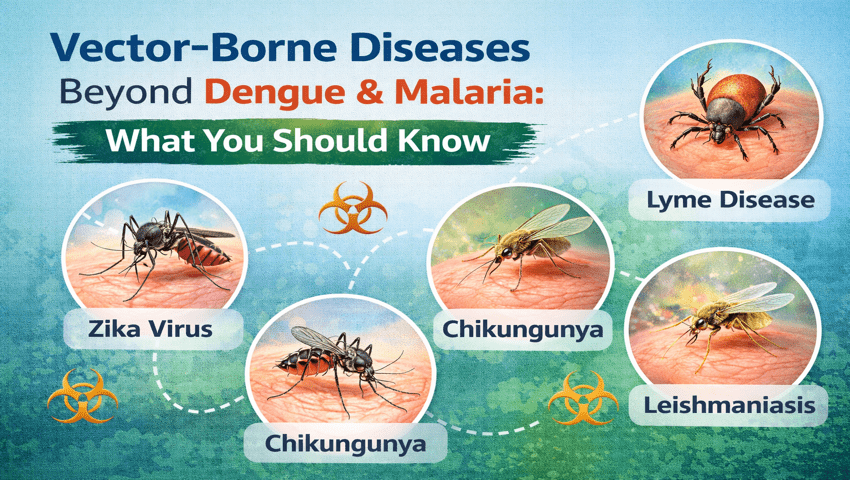
Vector-Borne Diseases Beyond Dengue & Malaria: What You Should Know
Hello everyone. As an Infectious Diseases specialist practising in Sun Speciality Clinic, Ramanathapuram, Coimbatore, I often see patients walk into my clinic terrified they have Dengue or Malaria the moment a fever spikes. Many families immediately start searching online for dengue treatment in Coimbatore or panic about severe complications. While these two are undeniably significant health threats in India, they are only the tip of the iceberg. The world of diseases transmitted by vectors like mosquitoes, ticks, and mites is vast and complex.
It is my responsibility to inform you that focusing only on Dengue and Malaria leaves us vulnerable to several other debilitating and sometimes life-threatening infections. My goal with this blog is not to create fear, but to empower you with accurate medical knowledge. Understanding the “other” vector-borne diseases is the first step toward effective prevention and timely treatment.
What are Vectors?
Hello everyone. As an Infectious Diseases specialist practising in Sun Speciality Clinic, Ramanathapuram, Coimbatore, I often see patients walk into my clinic terrified they have Dengue or Malaria the moment a fever spikes. Many families immediately start searching online for dengue treatment in Coimbatore or panic about severe complications. While these two are undeniably significant health threats in India, they are only the tip of the iceberg. The world of diseases transmitted by vectors like mosquitoes, ticks, and mites is vast and complex.
It is my responsibility to inform you that focusing only on Dengue and Malaria leaves us vulnerable to several other debilitating and sometimes life-threatening infections. My goal with this blog is not to create fear, but to empower you with accurate medical knowledge. Understanding the “other” vector-borne diseases is the first step toward effective prevention and timely treatment.
What are Vectors?
- Ticks
- Mites
- Sandflies
- Fleas
The Hidden Threats: Diseases You Must Know About
In India, especially in regions with tropical climates like Tamil Nadu, several vector-borne diseases coexist. Here are some important ones beyond the usual suspects.
1. Chikungunya (The Joint Breaker):
The Courier: Aedes mosquitoes (the same species that transmit Dengue and Zika). They typically bite during daytime hours.
Key Symptoms: Sudden high fever, severe and crippling joint pain (commonly in hands and feet), joint swelling, muscle pain, headache, and rash.
What You Should Know:
While rarely fatal, the joint pain associated with Chikungunya can be debilitating and may persist for months or even years after the fever subsides. Unlike cases where patients seek dengue treatment in Coimbatore, Chikungunya management is mainly supportive, focusing on pain control and rehabilitation. Early medical guidance helps reduce long-term joint complications.
2. Scrub Typhus (The Mite Menace):
The Courier: Larval mites (chiggers), usually found in scrub vegetation and rural areas.
Key Symptoms: Fever, headache, muscle pain, swollen lymph nodes, and sometimes a characteristic black scab-like lesion called an eschar at the bite site.
What You Should Know:
Scrub Typhus is a bacterial infection. Unlike viral fevers such as Dengue, this condition responds very well to specific antibiotics if diagnosed early. If left untreated, it can progress to multi-organ dysfunction. In recent years, cases have been increasingly recognised in Tamil Nadu, and early suspicion is critical.
3. Japanese Encephalitis (JE) (The Brain Fever):
The Courier: Culex mosquitoes, which breed in stagnant water and flooded rice fields. They usually bite between dusk and dawn.
Key Symptoms: Most infections are mild or asymptomatic. Severe cases can present with sudden high fever, headache, neck stiffness, confusion, seizures, coma, and paralysis.
What You Should Know:
Japanese Encephalitis is a serious neurological infection with a high fatality rate. Survivors may suffer long-term neurological or psychiatric complications. Vaccination remains the most effective preventive strategy, especially in endemic regions.
4. Lymphatic Filariasis (Elephantiasis):
The Courier: Culex and Anopheles mosquitoes.
Key Symptoms: Often silent in early stages. Chronic infection can cause lymphatic damage, leading to massive swelling of the legs, arms, or genitals (hydrocele), along with thickened skin.
What You Should Know:
Although not immediately fatal, this disease causes long-term disability and social stigma. India continues its elimination efforts through Mass Drug Administration (MDA) programs. Preventing mosquito bites plays a key role here as well.
5. Zika Virus:
The Courier: Aedes mosquitoes. It can also spread through sexual contact.
Key Symptoms: Usually mild or asymptomatic. When present, symptoms include fever, rash, joint pain, and red eyes (conjunctivitis).
What You Should Know:
The major concern with Zika infection is during pregnancy. Infection in pregnant women can cause severe congenital abnormalities, including microcephaly in newborns. Early consultation and monitoring are essential if exposure is suspected.
Diagnosing the Differences:
You may notice that most of these diseases present with similar symptoms: fever, headache, body pain, and weakness. Many patients initially assume they need malaria treatment in Coimbatore or treatment for Dengue when a fever begins. However, the underlying cause can be very different.
As an Infectious Diseases specialist, my approach includes:
- Detailed clinical examination
- Careful travel and exposure history
- Targeted laboratory investigations (blood tests, PCR, antibody assays)
The treatment for Chikungunya is completely different from that of Scrub Typhus. Likewise, management strategies vary significantly from those used in malaria treatment in Coimbatore. Self-medication or delay in proper evaluation can lead to complications.
Your Action Plan: Prevention is the Best Cure
Prevention remains our strongest defence against all vector-borne diseases.
1. Mosquito Control (Inside and Outside the Home)
- Eliminate Breeding Sites: Empty and clean water containers weekly. Even a small bottle cap of water can allow Aedes mosquitoes to breed.
- Use Mosquito Repellents: Apply repellents containing DEET, picaridin, or IR3535 as per instructions.
- Wear Protective Clothing: Long sleeves and full-length clothing reduce exposure.
- Home Protection: Install window screens and use mosquito nets, particularly for infants and elderly individuals.
2. Protection Against Ticks and Mites:
When walking in grassy or bushy areas, wear long pants tucked into socks. Use appropriate repellents. After returning home, inspect your skin for ticks or unusual bite marks such as an eschar.
3. Vaccination:
Keep vaccinations up to date, especially the Japanese Encephalitis vaccine if you live in or travel to high-risk areas.
Final Thoughts from Dr. Murali
Vector-borne diseases remain a major public health challenge in India. While awareness of dengue and malaria treatment in Coimbatore has improved significantly, we must expand our understanding beyond these two conditions.
If you or your loved ones develop persistent fever, severe joint pain, unusual rash, neurological symptoms, or prolonged weakness, seek expert medical advice without delay. Early diagnosis not only saves lives but also prevents long-term disability.
Stay informed. Stay protected. Stay healthy.