

- 20/08/2025
- Dr. A Murali
- Blogs
Early Signs of Dengue Fever in Coimbatore You Shouldn’t Ignore
Dengue fever is a growing health concern in Coimbatore, especially during the monsoon and post-monsoon seasons. With rising cases every year, it’s crucial to understand the early signs of dengue, so you can act quickly and avoid complications. In this article, we’ll guide you through the first symptoms of dengue, when to see a doctor, how to manage it at home, and why consulting an infectious disease specialist like Dr. A Murali is your best bet for timely and effective care.
What is Dengue Fever?
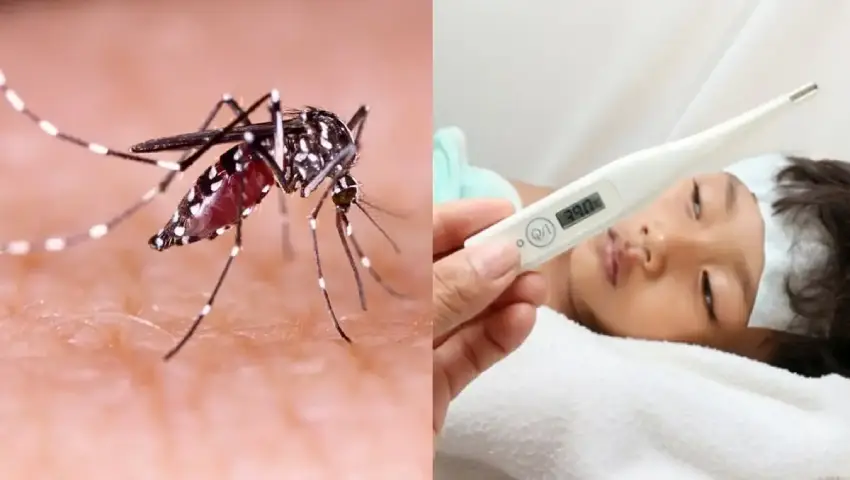
Dengue is a viral infection spread by the bite of the Aedes aegypti mosquito. In Coimbatore, the risk peaks during June to October, when stagnant water and humid weather create the perfect breeding ground for these mosquitoes. Though dengue can affect anyone, it’s especially dangerous for children, elderly individuals, and those with weak immunity.
Why Early Detection Matters:
Dengue can quickly progress from a mild fever to a life-threatening condition like dengue hemorrhagic fever (DHF) or dengue shock syndrome (DSS) . Early detection and proper care can:
- Prevent hospitalization
- Reduce the risk of severe complications
- Speed up recovery
Dr. A Murali, a leading Infectious Disease Specialist in Coimbatore, emphasises:
“Don’t wait for symptoms to get worse. Dengue is manageable if caught early.”
Early Signs of Dengue Fever You Must Watch For Here are the first signs of dengue that should never be ignored:
- Sudden High Fever (104°F or more): A sharp spike in body temperature is often the first red flag.
- Severe Headache: Especially behind the eyes — a symptom many mistake for migraines.
- Pain Behind the Eyes: Known as retro-orbital pain, this discomfort worsens with eye movement.
- Joint and Muscle Pain: Often referred to as “breakbone fever”, the pain can be intense and disabling.
- Skin Rashes: Appear 2–5 days after the fever starts — often itchy and red.
- Mild Bleeding: Nosebleeds, gum bleeding, or easy bruising may occur.
- Fatigue and Weakness: Extreme tiredness that doesn’t go away with rest.
- Nausea and Vomiting: Especially common in children and young adults.
- Swollen Glands: Lymph nodes may swell, especially in the neck and groin.
When to Worry - Warning Signs of Severe Dengue:
After 3–7 days, some patients experience a sudden worsening of symptoms. If you notice any of these, seek medical help immediately:
- Persistent vomiting
- Severe abdominal pain
- Bleeding from nose or gums
- Blood in vomit or stool
- Cold or clammy skin
- Rapid breathing
- Restlessness or fatigue
Dr. Murali advises:
“If someone is getting worse after a few days of seeming better, it’s a red flag. Visit a clinic or hospital without delay.”
How is Dengue Diagnosed?
At Sun Speciality Clinic for Infectious Diseases, Dr. Murali uses a combination of clinical evaluation and lab tests to confirm dengue:
- NS1 Antigen Test: Detects dengue in the first 5 days
- IgM and IgG Antibody Tests: Confirm infection after day 5
- Complete Blood Count (CBC): Monitors platelet count and hematocrit levels
Dengue Treatment at Home (Non-Severe Cases):
There is no specific antiviral treatment for dengue. But here’s what helps:
- Drink plenty of fluids – ORS, coconut water, and fruit juices
- Rest well – Avoid physical strain
- Take paracetamol for fever and pain (avoid NSAIDs like ibuprofen)
- Monitor platelet count if advised by a doctor
Dengue Prevention Tips for Coimbatore Residents:
Coimbatore’s climate and urban layout make it a hotspot for dengue . Here’s how to protect your family:
- Avoid water stagnation around your home
- Use mosquito repellents, nets, and full sleeves
- Wear light-colored clothes – mosquitoes are attracted to dark colors
- Keep your surroundings clean – support community cleanliness drives
- Install window screens and use mosquito coils
Conclusion:
Dengue is a serious illness, but early detection and proper care can make all the difference. If you or a loved one shows early signs of dengue, don’t wait — visit a specialist like Dr. A Murali for accurate diagnosis and treatment. Stay informed. Stay safe. And help spread awareness in your community.